Get to Know Your yogafusion – Amy Light

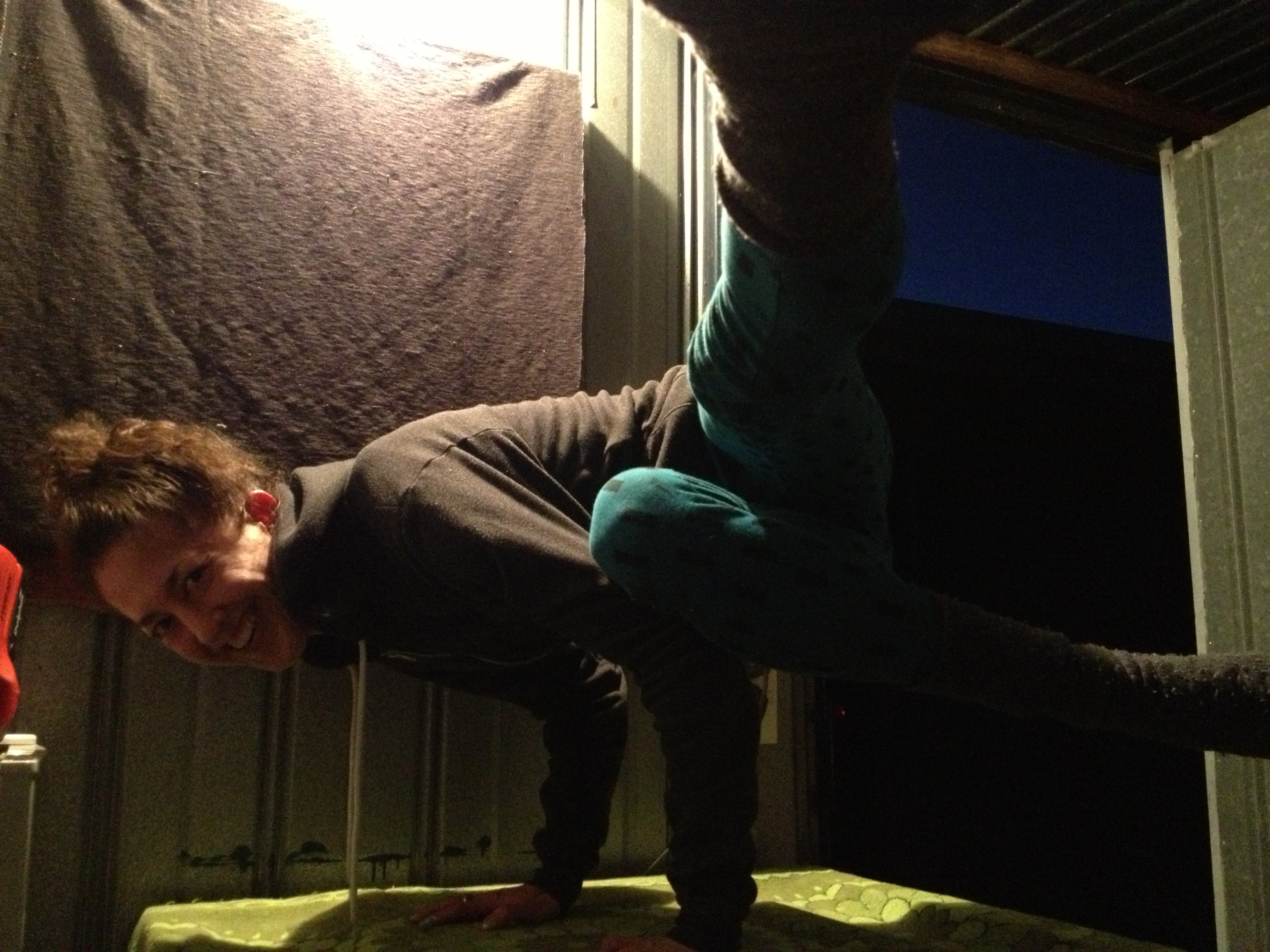
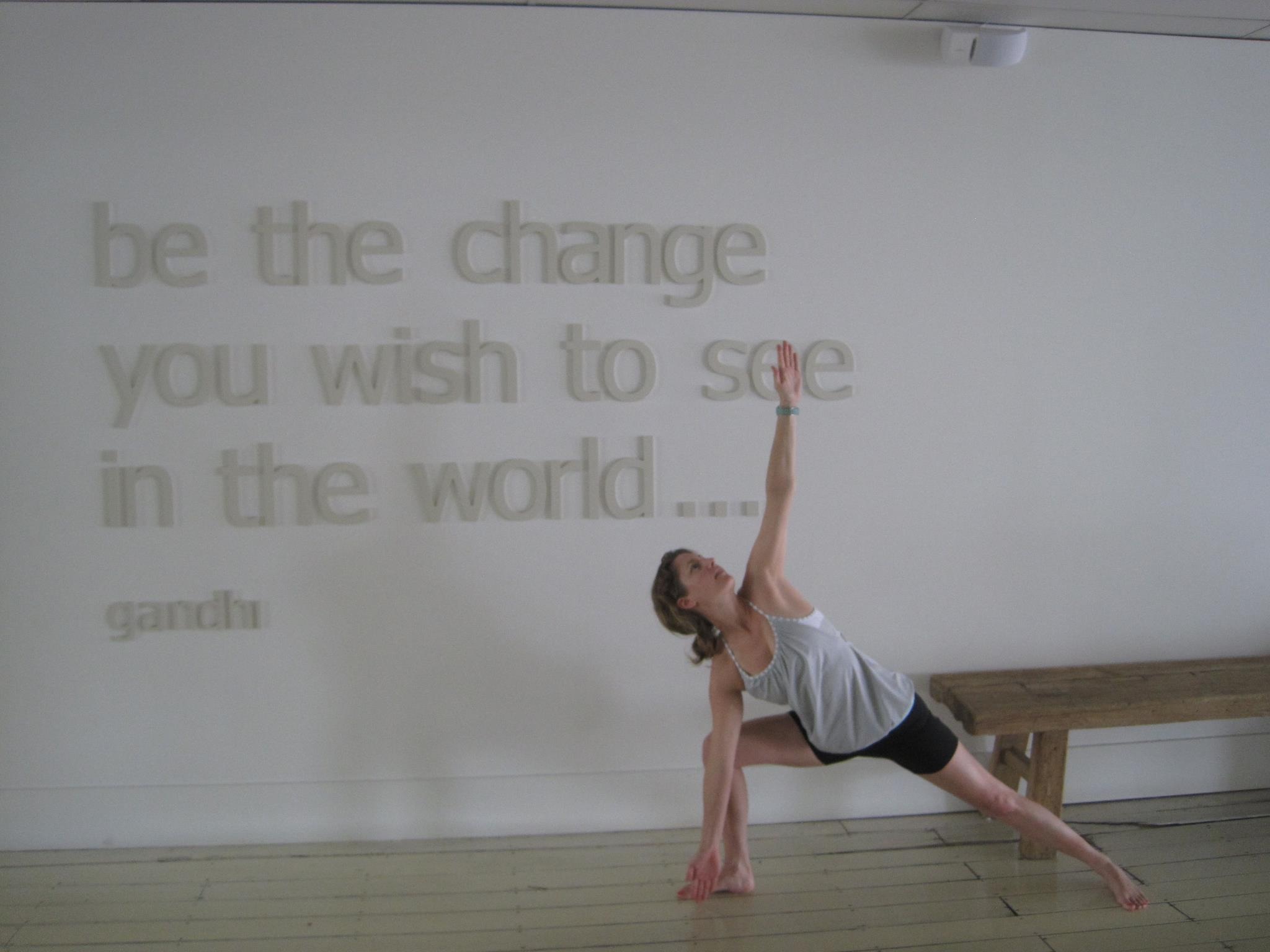
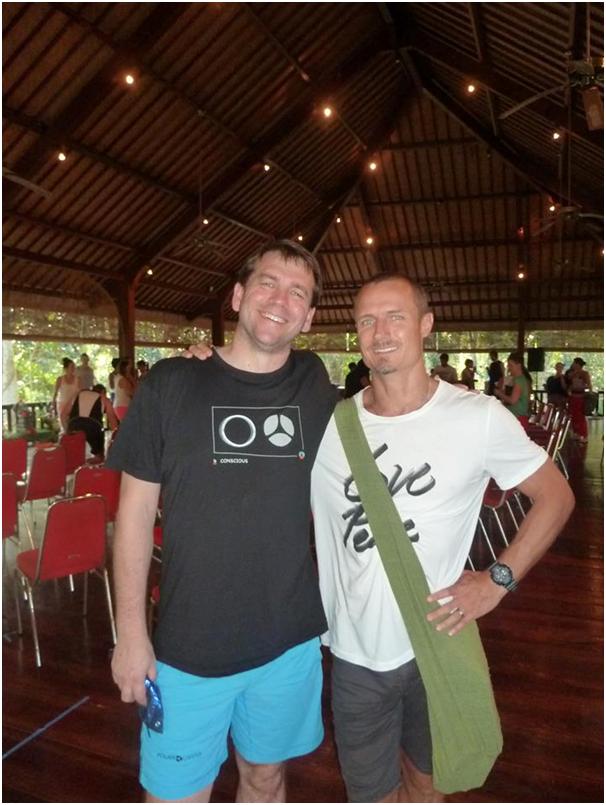
Meet the instructor – Amy Light (cuspy Virgo and Libra)Amy Light Yogafusion Adelaide

When did your yoga journey start? And why did you start?

My yoga journey began in the second to last year of high school (2003). Yoga was something I knew little about before I started and I just felt this  strong urge to try it out. It transpired that I enjoyed it so much I started practising every morning before school.

Describe your very first class?

What I remember the most about my first class is how it made me feel – really connected with my body, invigorated, alive and that I wanted to keep practising and learning more.

Describe where yoga has helped you overcome a challenge in life.

Yoga helps me to be completely aware of myself – watching my reactions and feelings as they arise (especially when things don’t go as planned) so that I can choose what’s useful and not useful in a situation.

What led you to decide to become a yoga instructor?

There were two main reasons:

Firstly, I wanted to change my own lifestyle (especially work wise) as I was I had no time for myself or others when I was taking on long hours at work and starting to develop stress related health issues.

Secondly, as yoga has impacted my body, life choices and the way I look at things in such a powerful way, I felt drawn to want  to share and pass on the benefits and ancient teachings to others.

Describe your lifestyle and eating habits:

I’ve been a vegetarian for the last thirteen years and I like to eat fresh nourishing food and  to know where its come from. I really like the idea of being as self sufficient as possible. I cook most of my own food and like to eat what’s in season at the time and try not to over complicate things. When I do dine out I enjoy eating Japanese and Korean food.

If you were a supermarket item, what would you be? Why?

A mango – as it’s my favourite fruit and reminds me of summer, holidays, the beach and Christmas which one of my favourite times of the year!

What do you find most rewarding about being a yoga instructor? Any most challenging?

Probably what’s most rewarding is knowing that I’m coming into the studio each day for yogafusion amy light adelaidesomeone other than myself and that one word I say or one movement that I teach has the power to change someone’s day and their life, potentially.

Probably the most challenging thing I found when I first started teaching and still often do is when I’ve got a lot going on in my own life and then to be able to put it all aside and show up 100% (be present) for my students.

What else do you do in life, aside from yoga? Eg, job, hobbies, lifestyle, creative outlets

My “other” job is as a chef. I’ve worked as a fulltime chef for seven years and for the past two years I have spent a couple of days per week as a pastry chef in a patisserie. This extends into my spare time as I love cooking for my family and friends.

I love summer and the outdoors, especially swimming at the beach (where I practically live in the summer.) I love to go snowboarding in the winter when I get the chance (one of the very few activities that get me out in the cold of winter.) I also enjoy spending time outside in the garden whether it’s at my own house or at my parents vegie garden.

Just take things one breath at a time (both on and off the mat) enjoying and accepting each moment for what it is!

What is your favourite yoga pose and why? What is the yoga pose that challenges you the most and why?

Incidentally, my favourite postures are often the ones that challenge me, also as everyday this changes for me depending on how I’m feeling, what’s on my mind and what;s going on physically. Every practise I find myself experiencing two types of “favourite” poses. There are oness that allow me to completely be myself and honour the place where I’m at – where I can find complete strength/support with complete surrender at the same time and be completely united with the breath.

And then poses that challenge me in some way whether it be physical limits, whether it interferes with my breath, or whether it conjures up a reaction – (eg being uncomfortable, doubting myself, being frustrated). This indicates that there’s something here for me to observe, discover and learn about myself.

If you could only instil one thing from yoga to your students, what would it be?

Just to take things one breath at a time (both on and off the mat) enjoying and accepting each moment for what it is! This extends as my personal philosophy as well.

What is your favourite thing in life? Besides yoga, of course!

Spending time with my family and friends.

How would you cure world hunger if you had the chance?

Seen as so much of the world’s food is wasted it would great to somehow distribute the excess to those in need.

 

You can also read about Andrew, Margarita, Sue and Emma!

Vishuddha chakra

Chakra may now be a common term to you and you may even have an understanding of its meaning.

The chakras (meaning wheel or cycle) are culmination points for nadis (channels) of prana sacral chakra(energy or lifeforce). A useful analogy when considering chakras is to envision nadis as highways, filled with cars (prana) and the chakras are the intersections and roundabouts where these highways meet.
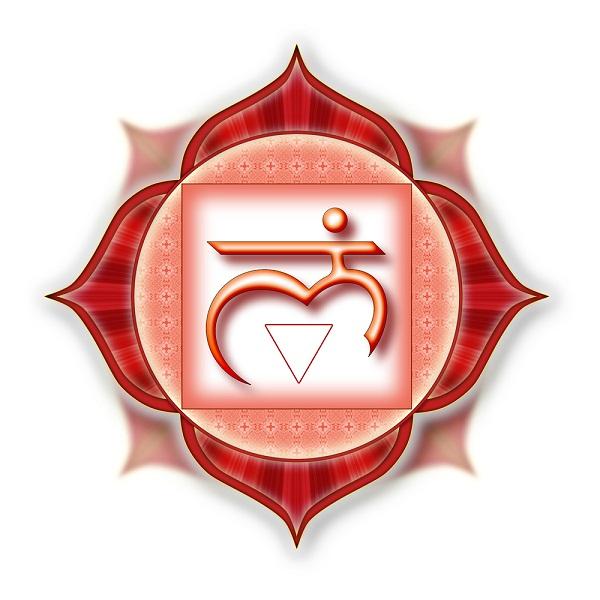
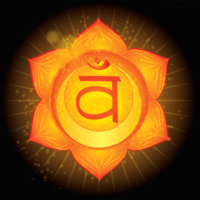
The chakras reside on the sushumna nadi, which is the central channel of energy that is aligned with the spinal column.

Let’s look closely at the throat chakra:

Vishuddha Chakra

This is the centre of physical and spiritual purification and detoxification. Associated with chakra throatthe colour blue (more specifically a smoky purple or lavender grey), it’s where your words of clarity form and is also the space of purity and infinity.

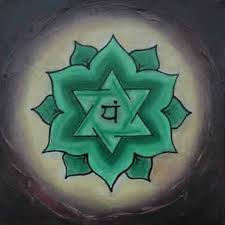
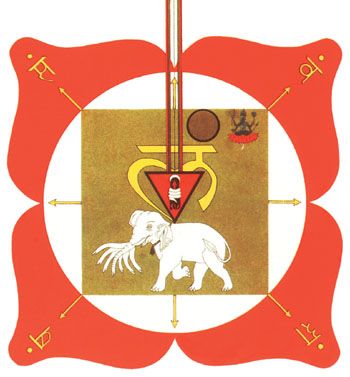
The Vishuddha yantra is generally depicted by a sixteen petalled lotus as well as images of the moon, a circle and a white elephant. Unlike the base chakra’s elephant, this elephant represents a spiritual orientation in the physical life. The circle represents akasha (space or the place where nothing exists). The mantra or seed sound, ham (or hang) associated with this expressive area is said to elevate awareness beyond all physical manifestation.

It’s the seat of sound and is governed by the element of either, which Jung purports to be ‘more volatile than air’ and not too dissimilar to prana. It also looks after our creative expression, communication, dreams, memory, intuition, improvisation, knowledge and self expression. This is where that well know Hindu Goddess, Saraswati, is believed to live.

Physiologically it presides over the lungs, throat, thyroid, hearing/speech organs and cervical spine.

‘We have two ears and one mouth so that we can listen twice as much as we speak.’  Epictetus

Do you ever notice tightness or soreness in your throat or the frequent need to clear it? Do you have swallowing troubles or find yourself talking a lot or too little? This could represent an imbalance in your throat chakra. You may also notice the following if this chakra seems out of balance:

  • fearfulness
  • nervousness
  • inability to speak up
  • unable to speak your truth
  • jaw pain
  • laryngitis
  • sore neck

When in harmony this area brings balance, clarity and understanding to situations and perspectives. Having a deep awareness and understanding of this area helps us to really learn to listen to ourselves first and foremost and then you can really hear others.

Vishuddha dictates a sort of higher discrimination – that facility to choose between “right” and “wrong” or more directly interpreted, “nectar” and “poison”; “nectar” being what sweetens and helps you grow and “poison” analogous to something that hinders and stunts your health and growth. Yogis can look toward the yamas and niyamas for guidance on their personal code of right and wrongs.

‘The truth needs so little rehearsal.’ Barbara Kingsolver

What you can do to bring your throat chakra into harmony:

  • quiet speech/stop talking
  • undertake a complete day of silence
  • attend a vipassana retreat
  • stop the internal chatter
  • maintain and enjoy silence
  • speak your truth
  • sing
  • really listen to others
  • write a letter to someone or yourself

Asana that can help rebalance vishuddha:

  • Hasta utthanasana
  • Halasana
  • Salamba sarvangasana
  • Simhasana
  • Ustrasana
Did you know? this chakra is also linked to self expression for writers and often a blockage in this chakra can manifest as writer’s block.


Did you miss our posts on Anahata, Svadhisthana and Mooladahara chakras?

affirmations chakra

Get to Know Your yogafusion – Sue Czuchwicki

yogafusion

Meet the Director/Principal Teacher – Sue Czuchwicki  (Taurus)


When did your yoga journey start? And why did you start?

Sixteen years ago – to complement triathlon and cycling training and to get a good stretch, relaxation and grounding. My first class was a community class run by the local pharmacy in Bendigo, Victoria. The teacher (Sally Downes) was warm and friendly and had a special disposition about her that I was really drawn to and no other past coach/trainer had. The class itself was a nice mix of physical work and relaxation and I remember having the best night’s sleep after that first class. I knew then that there was something in this practise; something deep.

What led you to decide to become a yoga instructor?

Nothing in particular led me to it as it intuitively just felt right. Whilst initially the benefits of practicing yoga were of a physical nature I was amazed how soon yoga began to extend beyond the mat and into my daily life and relationships.

Yoga brought a calming focus to my life, a greater awareness when facing life’s challenges and I wanted to share what I was receiving with others. It was fairly soon after I had started yoga classes that I had already made enquiries to Sally. Interestingly, she said that out of all the students in her classes, she had a feeling I would be the one asking her about teacher training. Maybe it’s Karma?

What do you find most rewarding about being a yoga instructor? And most challenging?

Firstly I would like to make the distinction between yoga instructor and yoga ”teacher”. I believe that yoga is a science, a philosophy and a way of life. An instructor is someone who details physical postures whereas a “teacher” is someone who uses the postures to stimulate awareness and deeper understanding of yoga science. Having said that it doesn’t mean I’m not instructional in my teaching but for me “instructor” doesn’t involve inspiration or understanding. An instructor tells you what to do but a teacher helps you understand why you are doing it. Continue reading

Get to Know Your yogafusion – Emma Hewett-Smiles

Meet the instructor: Emma Hewett-Smiles

yogafusion

When did your yoga journey start? And why did you start?

My yoga journey started at a London gym in 2003. I was doing aerobics plus contemporary and hip hop classes at Dance Works studio and thought I’d give a yoga class a go. The teacher was from New Zealand and I found the class more inline with my former dance/ballet training that I’d grown up with. I realised how much I would need to work to keep it up dancing at the level I was previously at. Yoga was a more practical alternative at the time and more suited to the stage of life as I was entering my twenties.

Continue reading

Get to Know Your yogafusion – Margarita Houllis

Meet the instructor: yogafusionMargarita Houllis (Scorpio) 

When did your yoga journey start? And why did you start?

My yoga journey started in 2002, a good friend dragged me along to a yoga class and I had no idea what it was all about the pending effect it would have on me – I just thought it would be something different and fun. My friend spoke so highly about it and because she is such a centred person in the face of everything and takes everything all in her stride – I wanted to emulate those qualities. She believed most of that was due to her yoga practise so it was a Harry met Sally moment for me – ‘I wanted what she was having’ – and that was the beginning.

‘I wanted what she was having’

My first class was an Iyenga class, in a massive warehouse in the city. It was a cold, raining Saturday morning; the practise – mixed with the sound of the rain beating down on the tin roof – absolutely seduced my senses and – BAMM – I was hooked! Continue reading

Heart Chakra – where is the love?

Chakra may now be a common term to you and you may even have an understanding of its meaning.

The chakras (meaning wheel or cycle) are culmination points for nadis (channels) of prana sacral chakra(energy or lifeforce). A useful analogy when considering chakras is to envision nadis as highways, filled with cars (prana) and the chakras are the intersections and roundabouts where these highways meet.

The chakras reside on the sushumna nadi, which is the central channel of energy that is aligned with the spinal column.

Let’s look closely at the heart chakra:

Anahata Chakra

heart chakra

The heart chakra, located at the centre of the chest, is the bridge between your lower self (also known as your “ego” self) and your higher self and the chakras that correspond. It’s the point of contact between your soul and body. It is the centre of revelation and has been said to be the chakra from which all 72 000 nadis originate. Continue reading

Get to Know Your yogafusion – Andrew Czuchwicki

Meet the instructor: Andrew Czuchwicki (Cancer with moon in Scorpio)

When did your yoga journey start? And why did you start?

I began yoga about 15 years ago. Sue and I were training for 50-100km training rides and I would always find myself hobbling around sore and stiff afterwards. When I queried Sue why she was not sore she told me she was doing yoga and she demonstrated half pigeon and once I tried it and felt such deep relief, I was hooked!

What led you to decide to become a yoga instructor?

I like to draw a distinction between instructing and teaching. For me instructing is just about cuing poses in a sequence. Teaching yoga is about using the poses to challenge and stimulate peoples minds and leave them questioning. Continue reading

Manipura Chakra: stand in your power

Chakra may now be a common term to you and you may even have an understanding of its meaning.

The chakras (meaning wheel or cycle) are culmination points for nadis (channels) of prana sacral chakra(energy or lifeforce). A useful analogy when considering chakras is to envision nadis as highways, filled with cars (prana) and the chakras are the intersections and roundabouts where these highways meet.

The chakras reside on the sushumna nadi, which is the central channel of energy that is aligned with the spinal column.

Let’s look closely at the solar plexus chakra:

Manipura Chakra

Manipura is located at the solar plexus region and driven by the element of fire, this is where your inner sun is located – the area that produces your inner heat and sun like energy.

It is about your core self, your “power”, and your inner sun, which produces heat and energy. It’s about accepting the “jewels” of life – also known as your birthright. The yantra features a ten petalled lotus, with an inverted red triangle in the centre. Continue reading

Sacral Chakra

Chakra may now be a common term to you and you may even have an understanding of its meaning.

The chakras (meaning wheel or cycle) are culmination points for nadis (channels) of prana sacral chakra(energy or lifeforce). A useful analogy when considering chakras is to envision nadis as highways, filled with cars (prana) and the chakras are the intersections and roundabouts where these highways meet.

The chakras reside on the sushumna nadi, which is the central channel of energy that is aligned with the spinal column.

Let’s look closely at the sacral chakra:

Svadhisthana

Sva = vital force or soul

Adhara = substratum/foundation/support

This chakra is located between the navel and the base of the spine, just above the base chakra. It is here we dwell and is the energy place of Shakti. Whilst the base chakra gets our material needs in order, the sacral chakra then allows our emotional nature to be attended to. Continue reading

Base Chakra

Chakra may now be a common term to you and you may even have an understanding of its meaning. base chakra

The chakras (meaning wheel or cycle) are culmination points for nadis (channels) of prana (energy or lifeforce). A useful analogy when considering chakras is to envision nadis as highways, filled with cars (prana) and the chakras are the intersections and roundabouts where these highways meet.

The chakras reside on the sushumna nadi, which is the central channel of energy that is aligned with the spinal column.

Let’s look closely at the base chakra.

Muladhara

base chakraMula (or moola) = base/root
Adhara = substratum/foundation/support

Known as the base or root chakra, this can be visualised as being located at the floor of the torso or base of the spine. It is the seat of our primal energy.

This is our foundation and if it is imbalanced the prana is not able to easily flow freely throughout the rest of the chakras and beyond. You may even be able to feel the subtle energy changes when this chakra is out of balance. Continue reading